The short answer
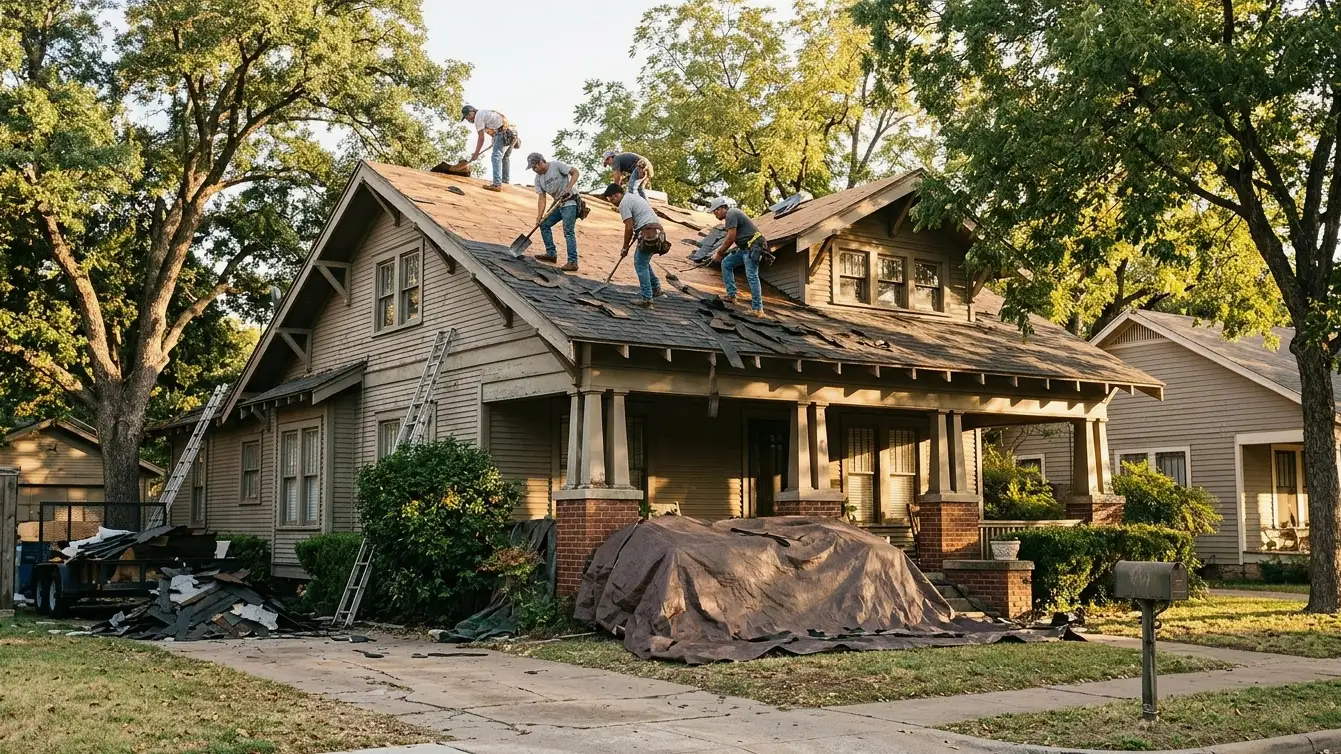
Yes, a full roof replacement inside the City of Dallas requires a building permit. That covers tearing off the old roof and installing a new one, and it applies to houses in Lake Highlands, Oak Cliff, Preston Hollow and every neighborhood in between. Minor repairs, like replacing a handful of shingles or resealing a vent boot, generally do not need one.
The permit exists so the city can check that the work meets the building code in effect when the roof goes on. For you, it creates a public record that the roof was replaced, which matters when you sell, refinance or file an insurance claim down the road. It's one of the few pieces of paperwork that keeps paying off years after the crew leaves.
Where the line falls between repair and reroof
Most jobs fall clearly on one side. The gray area is a partial replacement, like redoing one full slope after wind damage or replacing a large section of decking. Those can cross into permit territory depending on the scope, and it's worth confirming before work starts rather than guessing.
- Usually a permit: full tear-off and replacement, a new roof over the existing one where allowed, a change in roofing material across the roof
- Usually no permit: replacing scattered shingles, flashing repair, vent boot or pipe collar replacement, minor leak repairs
- Check first: large partial replacements, extensive decking replacement, adding skylights, any change to rafters or roof framing
- Separate review: solar panels, structural changes and additions follow their own permit paths
Who pulls the permit
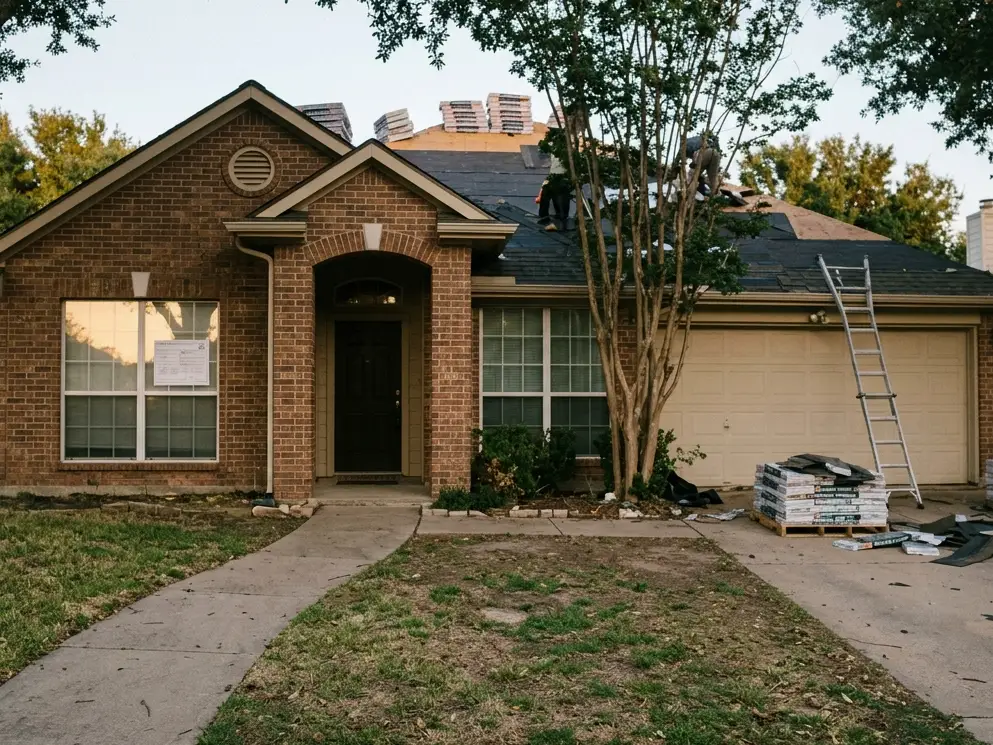
We pull the permit for every roof replacement we do, in our name, before the first shingle comes off. That puts the responsibility for code compliance on the company doing the work, which is where it belongs. We also schedule any inspections the city requires and keep the permit record with your job file so you have it later.
Be cautious if a contractor asks you to pull the permit yourself as the homeowner. That shifts responsibility for the work onto you, and it's often a sign the contractor can't or won't pull it in their own name. A roofer who works in Dallas regularly knows the process and should handle it without fuss. When you collect estimates, ask every company the same question: will you pull the permit in your name, and will you give me the permit number before work begins? A clear yes from each bidder lets you compare prices on equal terms.
HOAs and historic or conservation districts
The city permit is only one layer. Many neighborhoods, especially newer subdivisions in the suburbs, have an HOA with an architectural review committee that must approve roof color and material before work starts. Approval can take a few days or a few weeks depending on how often the committee meets, so it's smart to send in the request as soon as you've picked a shingle.
Inside Dallas, historic districts like Swiss Avenue and Winnetka Heights require review before exterior changes, and the city issues a certificate of appropriateness for work that meets the district's standards. Conservation districts, such as the M Streets, have their own rules about materials and appearance. If your home sits in one of these areas, plan extra lead time and expect questions about matching the original look of the house.
The suburbs run their own process
Plano, Garland, Richardson, Irving, Mesquite and the other cities around Dallas each have their own building department, and their permit and inspection steps differ from the City of Dallas and from each other. Some want specific paperwork with the application, some inspect at different stages, and timelines vary with how busy each office is after a storm.
That's one reason to pick a roofer who works across the metro regularly. Knowing which city wants what saves days on the schedule. If you're not sure which jurisdiction your home falls under, which happens on the edges of Dallas, your property tax statement or the city's address lookup tool will tell you.
What a permitted reroof looks like from your side
For you, a permitted job doesn't feel much different from any other roof replacement. We confirm the scope, send in the application and wait for the permit to issue, which can take longer in the weeks after a large storm when the city is handling a wave of requests. Once it's issued, the permit number goes in your job file and the work goes on the schedule.
On install day, the crew tears off down to the decking, replaces any bad boards and installs underlayment, drip edge, flashing and the new roof. Depending on the jurisdiction, an inspector may check the work during or after installation. You usually don't need to be home, but the inspector may need yard or driveway access, so tell us about gates, dogs or HOA access rules. When the permit is closed out, keep a copy of the final record with the invoice and product details. That small file answers most questions a buyer, appraiser or insurer will ever ask about the roof.
What goes wrong without a permit
Skipping the permit can lead to a stop-work order if the city notices, and fixing that mid-job costs time. The bigger problem shows up later. A buyer's inspector or appraiser may ask for the permit history, and an unpermitted roof can stall a sale or lead to a price cut. Insurers may also ask when the roof was replaced and by whom.
Permitted work also tends to be better work, because a permit means someone checks details like drip edge, underlayment and ventilation that are easy to skip when no one's looking. If you'd like a straight answer on whether your job needs a permit, call us at (214) 910-6728 and we'll walk through it.
Questions homeowners ask
Does an emergency tarp after a storm need a permit?
Generally no. Temporary tarping to stop water from getting into the house is a protective step, not a reroof. Once the permanent repair or replacement is scoped, that work follows the normal rules. Keep photos of the damage and the tarp so the permanent job and any claim have a clear starting point.
How can I check whether a past roof replacement on my house was permitted?
Dallas and most nearby cities let you search permit records by address online or through the building department. Look for a roofing or reroof permit around the year the roof was replaced. If nothing shows up, ask the seller or the original contractor for paperwork before you rely on the roof's stated age.
Does HOA approval replace the need for a city permit?
No. HOA approval and a city permit are separate. The HOA decides whether your color and material fit the neighborhood rules, while the city permit covers building code compliance. Most roof replacements in suburban subdivisions need both, and getting HOA approval first avoids redoing an order if the committee rejects a color.