Tool
Texas wind and hail deductible calculator
Before you file a hail claim, see how your deductible compares with the repair. It takes about a minute.
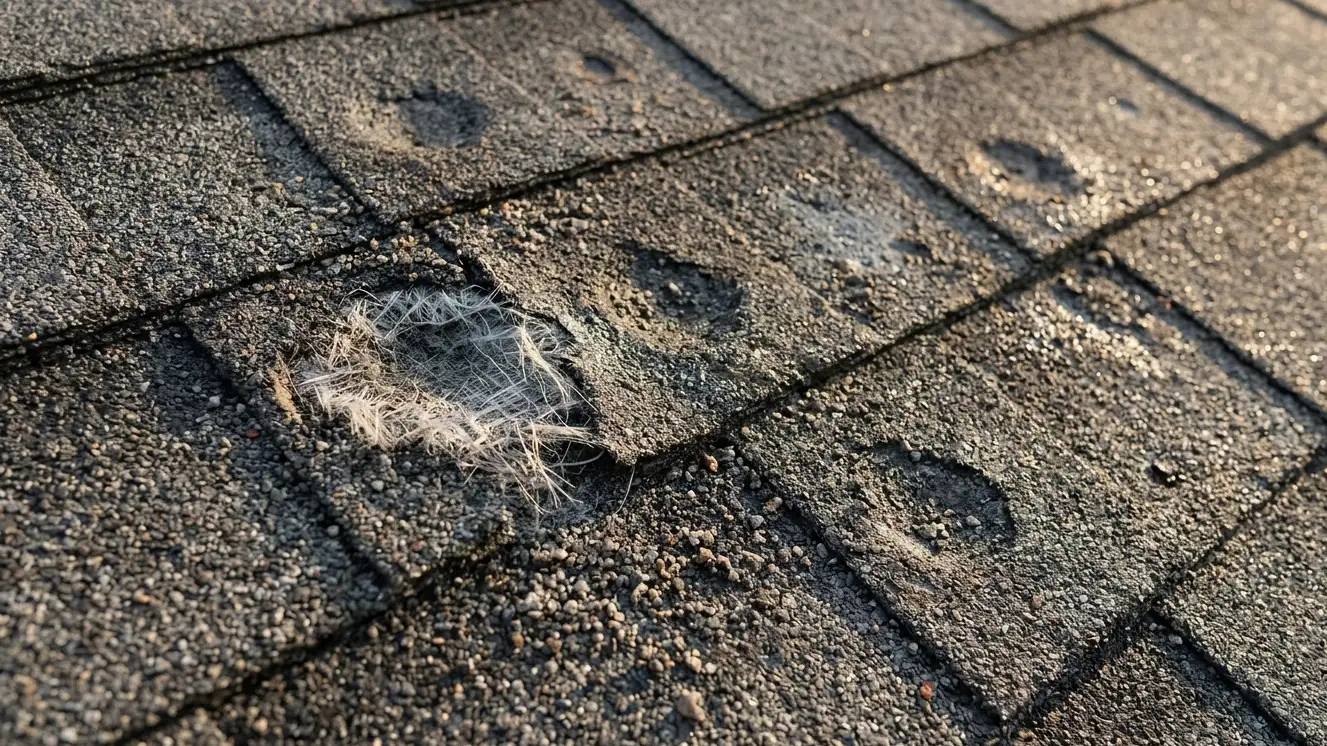
Run your numbers
Enter the numbers from your declarations page and a repair estimate. Everything stays in your browser.
How percentage deductibles work in Texas
A percentage deductible is calculated from your dwelling coverage, not from the damage. A home insured for $400,000 with a 2% wind and hail deductible carries an $8,000 deductible on any hail or wind claim. If the roof repair comes to $6,500, the insurer pays nothing. If a full replacement comes to $18,000, the insurer pays roughly $10,000 before any depreciation is held back.
Many North Texas policies now use 2%, and some use more. Older policies may still carry a flat dollar deductible. Read the declarations page carefully, because the wind and hail deductible is often listed separately from the all-other-perils deductible.
Replacement cost versus actual cash value
On a replacement cost policy, the insurer may pay the depreciated amount first and release the held-back depreciation once the roof is replaced and invoiced. On an actual cash value policy, depreciation for age is subtracted for good, which can shrink a payout on a 12 or 15-year-old roof a great deal. Some insurers apply roof schedules that move older roofs to ACV automatically.
The deductible rule contractors must follow
Texas Insurance Code Chapter 707 bars contractors from paying, waiving, absorbing or rebating a homeowner's deductible. We follow it on every claim. What we do is inspect, photograph and document the damage, meet the adjuster if you want us there, and price the work honestly. See our storm damage insurance claims page for how that works.
When it is worth calling us first
If you are not sure the storm did real damage, an inspection answers that and gives you a cost to compare against the deductible. That way you do not open a claim for damage that would never pay out. Call (214) 910-6728 any hour.
Deductible questions
Is my wind and hail deductible a dollar amount or a percentage?
Look at the declarations page of your homeowner policy. Many Texas policies list a separate wind and hail deductible as a percentage, such as 1% or 2%, of the dwelling coverage (Coverage A). Others use a flat dollar amount. The percentage is based on your coverage limit, not on the size of the repair.
Can a roofer cover my deductible for me?
No. Texas Insurance Code Chapter 707 makes it illegal for a contractor to waive, absorb or rebate an insurance deductible, including through fake discounts or advertising credits. A roofer who offers to do it is asking you to take part in insurance fraud.
What is the difference between RCV and ACV roof coverage?
Replacement cost value (RCV) pays to replace the roof with comparable materials at today's prices, though the insurer may hold back depreciation until the work is done. Actual cash value (ACV) subtracts depreciation for the roof's age, which can leave a large gap on an older roof.
Should I call my insurer or a roofer first after hail?
Many homeowners call a roofer first for an inspection, because it tells you whether there is real storm damage and roughly what the repair costs. If the estimate is well above your deductible, you then file with photos and findings in hand.
Want to know if the storm did real damage?
Call for an inspection before you file.